
Jail is a place where individuals are confined by the legal system when they are accused or convicted of breaking the law. It plays an important role in maintaining order in society, but it also reflects deeper issues such as crime, poverty, lack of education, and social inequality. Understanding how jail works and what life is like inside can help people make better choices and avoid situations that lead to incarceration
Why People Go to Jail
People are sent to jail for various reasons, depending on the seriousness of their actions. Minor offenses such as theft, public disturbances, or traffic violations can lead to short-term jail time. More serious crimes like assault, robbery, or fraud may result in longer sentences or transfer to prison.In many cases, individuals are placed in jail before their trial. This is called “pre-trial detention.” It happens when the court believes the person might flee, harm others, or interfere with evidence. After a trial, if the person is found guilty, they may either remain in jail for a short sentence or be transferred to a prison for long-term punishment.
The Purpose of Jail
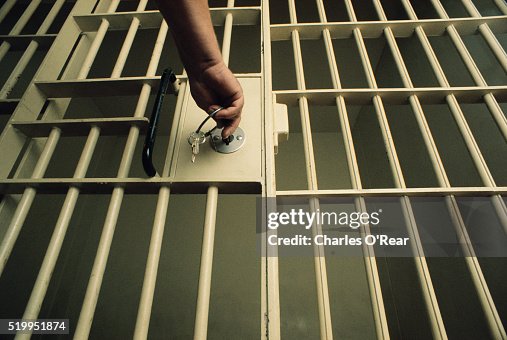
Jail serves multiple purposes. The first is punishment—people who break the law face consequences for their actions. The second is deterrence—seeing others punished can discourage people from committing crimes. The third is protection—keeping dangerous individuals away from society helps maintain safety. Lastly, jails sometimes aim for rehabilitation, helping inmates change their behavior and reintegrate into society.However, not all jails are effective at rehabilitation. In some cases, people leave jail worse than they entered due to negative influences, lack of support, or harsh conditions.
Daily Life in Jail
Life inside jail is very different from the outside world. Inmates follow a strict routine controlled by authorities. Their day usually starts early, with headcounts and basic hygiene. Meals are provided at fixed times, often simple and repetitive.Most inmates spend a significant amount of time in their cells, especially in overcrowded facilities. Some jails offer limited activities like reading, exercise, or vocational programs, but opportunities vary widely.Freedom is extremely restricted. Communication with family is limited to scheduled visits or monitored phone calls. Personal privacy is almost nonexistent, and sharing space with others can lead to tension or conflict.
Psychological and Emotional Impact
Being in jail can have a serious impact on a person’s mental health. Isolation, stress, fear, and uncertainty about the future can lead to anxiety and depression. For first-time offenders, the experience can be particularly overwhelming.Some inmates struggle with guilt or regret, especially if their actions have harmed others. Others may become hardened due to the harsh environment. Without proper support or counseling, it can be difficult for individuals to cope and improve their situation.
Challenges After Release
Leaving jail does not mean the challenges are over. Former inmates often face difficulty finding jobs, housing, and social acceptance. A criminal record can limit opportunities and make it harder to rebuild a stable life.Social stigma is another major issue. People may judge or avoid those who have been in jail, even if they are trying to change. This can lead to frustration and, in some cases, a return to crime, known as recidivism.
The Importance of Making Better Choices
Understanding the reality of jail highlights the importance of making responsible decisions. Many people who end up in jail regret their actions, especially when they realize the long-term consequences.Avoiding illegal activities, managing anger, and seeking help during difficult times can prevent situations that lead to incarceration. Education, awareness, and strong support systems play a key role in keeping individuals on the right path.
Rehabilitation and Second Chances
While jail is often seen as punishment, it can also be an opportunity for change. Some facilities offer educational programs, skill training, and counseling services. These programs aim to help inmates develop new skills and a positive mindset.Society also has a responsibility to support individuals after their release. Providing job opportunities, mental health support, and acceptance can help reduce repeat offenses and create safer communities.
Conclusion
Jail is a serious consequence of breaking the law, affecting not only the individual but also their family and society as a whole. Life inside is challenging, restrictive, and often mentally taxing. The experience serves as a reminder of the importance of following the law and making thoughtful decisions.Rather than seeing jail as something to experiment with or take lightly, it should be understood as a place that reflects the consequences of harmful actions. By choosing a positive path, seeking guidance, and avoiding illegal behavior, individuals can build a better future without facing the hardships of incarceration.If you actually meant something else by “how to jail” (for example, writing a story, movie script, or something creative), tell me—I can adjust it.